
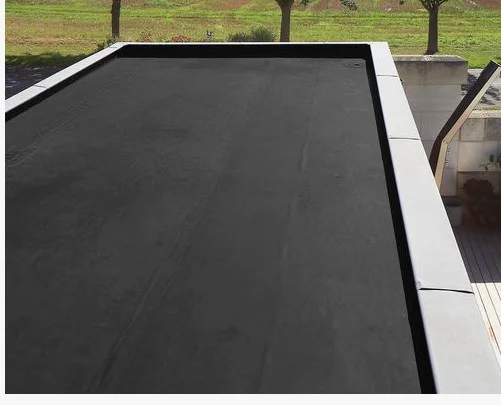
Villa Roof Waterproofing in Dubai: Why It’s as Important as Painting
Most villa owners think about walls first and roofs last until a rainy week reveals a damp ceiling stain or a musty smell that won’t go away. By then, water has usually already made its way into the structure.
This guide explains why roof waterproofing matters just as much as painting in Dubai, how to spot early warning signs, and what a proper waterproofing job actually involves.
Get a Free Quote: Villa Painting Services Dubai
Why Roof Waterproofing Matters in Dubai
Dubai doesn’t get much rain, but that’s exactly what makes roof waterproofing so easy to overlook and so damaging when it fails. When rare heavy rain does hit, an unprotected roof can let water in fast, since the structure isn’t built to handle prolonged exposure the way homes in rainier climates are.
On top of rain, Dubai’s roofs deal with:
- Extreme heat expansion and contraction, which cause the roof membrane and surrounding materials to crack over time
- UV degradation, which breaks down waterproofing coatings faster than in cooler climates
- Dust and debris buildup, which can block drainage points and cause water to pool during rare storms
- AC unit condensation, which adds consistent, low-level moisture exposure that unprotected roofs aren’t built to handle
Without proper waterproofing, even a small amount of water exposure can lead to ceiling stains, mold growth, and long-term structural damage that costs far more to fix than the waterproofing itself.
Signs Your Roof Needs Waterproofing
Your roof usually shows warning signs well before a major leak happens. Watch for:
- Ceiling stains or discoloration, especially brown or yellow patches that appear after any rainfall
- Peeling or bubbling paint on ceilings, which often points to trapped moisture underneath
- A musty smell in upper-floor rooms, even without visible staining
- Visible cracks on the roof surface during a visual inspection
- Pooling water on flat roof areas after rain that doesn’t drain properly
- Damp patches near roof-mounted AC units, which can indicate condensation issues combined with poor sealing
If you notice two or more of these signs, it’s worth scheduling an inspection before the next rainy period, rather than waiting for a visible leak to appear indoors.
How Roof Waterproofing Works
Unlike painting, which is mostly about appearance and light protection, roof waterproofing is a structural defense system. Here’s what the process typically involves:
- Roof inspection – The team checks for existing cracks, drainage issues, and any areas already showing water damage.
- Surface cleaning – Dust, debris, and old coating material are removed to prepare a clean base.
- Crack repair and sealing – Any visible cracks or gaps, especially around vents, AC units, or roof edges, are filled and sealed.
- Primer application – A bonding primer helps the waterproofing membrane adhere properly to the roof surface.
- Waterproof membrane application – A waterproof coating or membrane is applied across the entire roof surface, often in multiple layers for full coverage.
- Drainage check – Drainage points are cleared and tested to make sure water flows away properly rather than pooling.
- Final inspection – The completed surface is checked for even coverage and proper sealing around all edges and fixtures.
Skipping surface prep or crack repair is the most common reason waterproofing fails early — the coating needs a clean, sealed base to actually work.
Types of Roof Waterproofing Solutions
Different roofs need different approaches depending on material and use.
Liquid Membrane Waterproofing
A liquid coating applied directly to the roof surface that cures into a seamless, flexible waterproof layer. This is one of the most common solutions for flat villa roofs since it adapts well to Dubai’s heat-related expansion and contraction.
Bituminous Waterproofing
A heavier-duty option often used for roofs with more significant existing damage or older properties needing a stronger barrier. It’s durable but typically more involved to install than liquid membrane systems.
Cementitious Waterproofing
A cement-based coating that’s cost-effective and works well for roofs and terraces that don’t face heavy movement or extreme temperature shifts, though it can be less flexible than liquid membrane options over time.
Heat-Reflective Waterproof Coatings
Increasingly popular in Dubai, these combine waterproofing with heat-reflective paint properties, helping reduce indoor temperatures by bouncing sunlight away from the roof surface — a useful bonus that can help lower AC costs.
How Long Does Roof Waterproofing Last?
With proper application and periodic maintenance, roof waterproofing in Dubai typically lasts:
- Liquid membrane systems: 7–10 years
- Bituminous systems: 10–15 years, depending on quality and application
- Cementitious coatings: 5–7 years
- Heat-reflective coatings: 5–8 years, depending on UV exposure and maintenance
Regular roof inspections, ideally once a year before the rainy season, help catch small cracks or wear before they turn into leaks.
Roof Waterproofing vs. Regular Roof Painting
These two are often confused, but they serve very different purposes.
| Feature | Waterproofing | Regular Roof Paint |
|---|---|---|
| Purpose | Structural water protection | Surface appearance and light UV protection |
| Water resistance | High, designed to fully seal surface | Limited, not designed to stop water intrusion |
| Lifespan | 5–15 years depending on type | 2–4 years typically |
| Best for | Flat roofs, terraces, rainy-season protection | Cosmetic refresh, minor UV protection |
If your roof hasn’t been waterproofed in several years, painting alone won’t protect against water damage — the two serve different jobs and often work best together, with waterproofing applied first and protective coating layered on top.
Waterproofing and Painting: Why They Work Together
A complete villa maintenance plan usually treats waterproofing and painting as connected steps, not separate projects.
- Waterproofing protects the structure from water damage and moisture-related deterioration.
- Painting protects surfaces from UV fading, dust, and general wear while giving the property a finished look.
- Combining both during the same project often reduces overall cost, since scaffolding, labor scheduling, and site access can be shared across both jobs.
If you’re already planning exterior villa painting Dubai work, it’s worth asking your contractor to inspect the roof at the same time — catching an early waterproofing issue during a routine paint job is far cheaper than dealing with a leak later.
How Much Does Roof Waterproofing Cost in Dubai?
Pricing depends on roof size, waterproofing type, and the extent of existing damage. As a general guide:
- Cementitious coatings – lower cost, suited for roofs in good condition with minimal repair needed
- Liquid membrane systems – mid-range cost, most common choice for flat villa roofs
- Bituminous systems – higher cost, best for older roofs or those needing heavier-duty protection
Roofs with existing cracks, old coating removal needs, or drainage issues will cost more due to additional prep work. A free site inspection gives you an accurate quote based on your roof’s actual condition.
Maintaining a Waterproofed Roof
- Clear debris and dust regularly, especially around drainage points, to prevent water pooling during rare rainfall.
- Inspect after major sandstorms, which can sometimes damage or wear down coating in exposed areas.
- Check AC unit seals annually, since these are common points where waterproofing can wear down faster than the rest of the roof.
- Schedule a professional inspection every 1–2 years, even without visible issues, to catch early wear before it becomes a leak.
FAQ’s
Is roof waterproofing really necessary in Dubai if it barely rains?
Yes. Even rare rainfall can cause significant damage to an unprotected roof, and waterproofing also protects against heat-related cracking and AC unit condensation, which are ongoing issues regardless of rainfall.
How do I know if my roof needs waterproofing?
Watch for ceiling stains, musty smells in upper rooms, peeling ceiling paint, or visible cracks on the roof surface. Any of these signs means it’s worth scheduling an inspection.
Can I paint my roof without waterproofing it first?
You can, but regular paint doesn’t provide real water protection. If your roof hasn’t been waterproofed recently, it’s better to waterproof first and then apply protective paint on top for a complete, lasting result.
How often should villa roofs be waterproofed in Dubai?
Most waterproofing systems last 5–15 years depending on the type used, but annual inspections are recommended to catch small issues, especially around drainage points and AC units, before they become bigger problems.
Does roof waterproofing help reduce indoor heat?
Yes, especially heat-reflective waterproof coatings, which bounce sunlight away from the roof surface and can help lower indoor temperatures and reduce AC usage during Dubai’s hot months.
Final Thoughts
Roof waterproofing might not be as visible as fresh wall paint, but it protects your villa in ways that matter just as much, preventing water damage, mold, and structural issues that are far more expensive to fix than they are to prevent.
If it’s been several years since your roof was last inspected or waterproofed, book a free site inspection to check its condition, ideally before the next rainy season arrives.